
National Operators meet in Dublin to shape the future of Eco-Campus
Marino Institute of Education, Dublin, Ireland | 10–12 June 2026
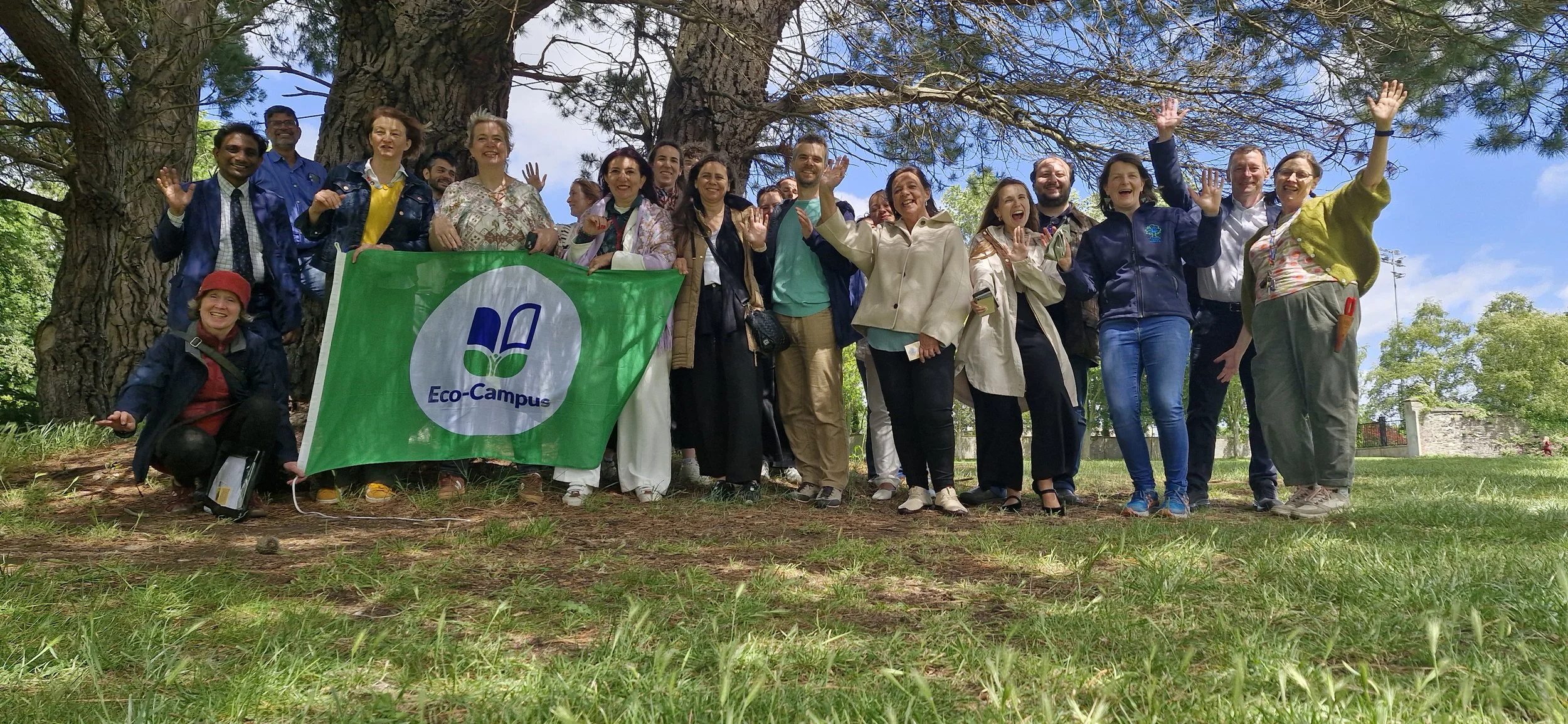
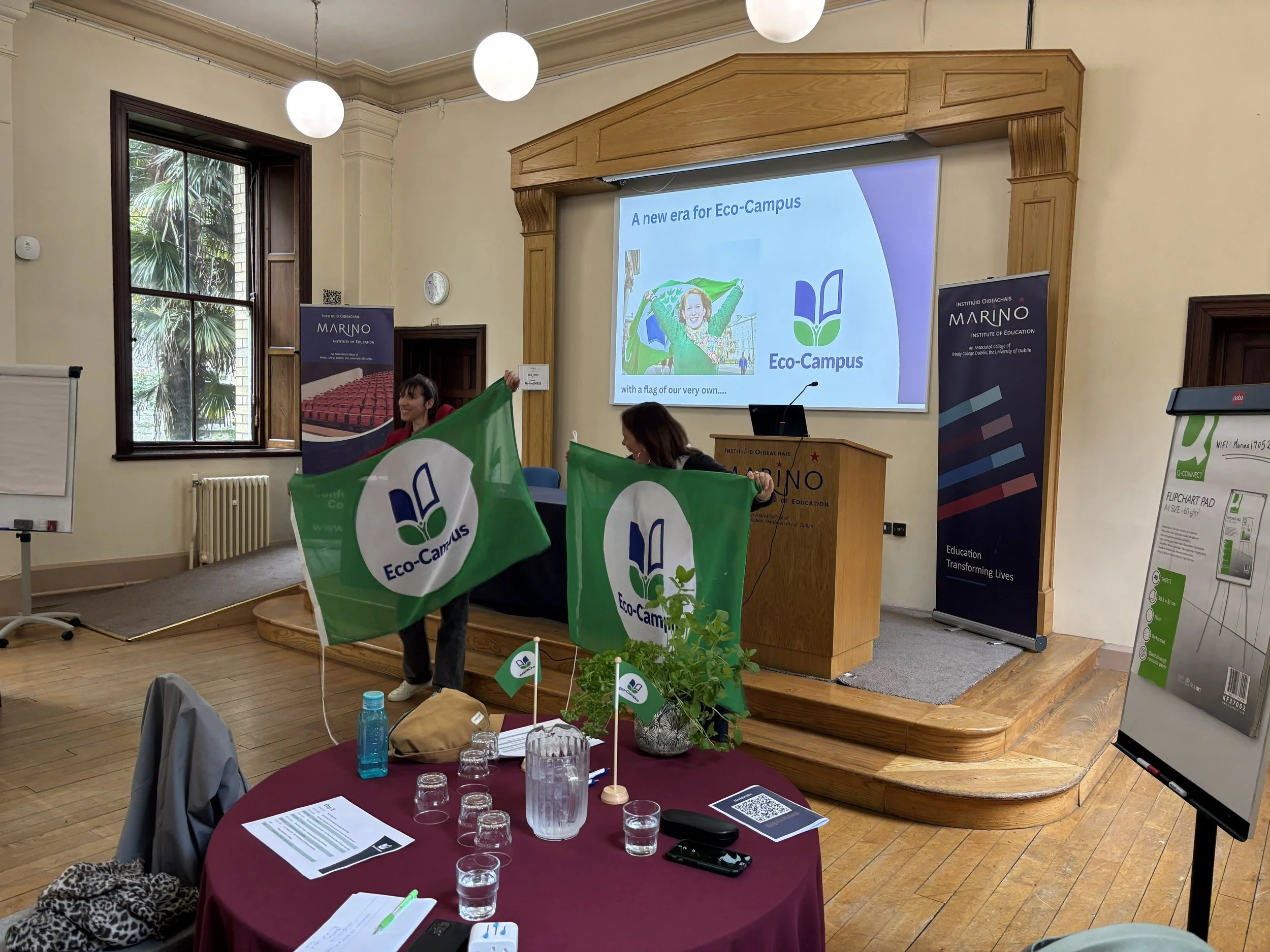
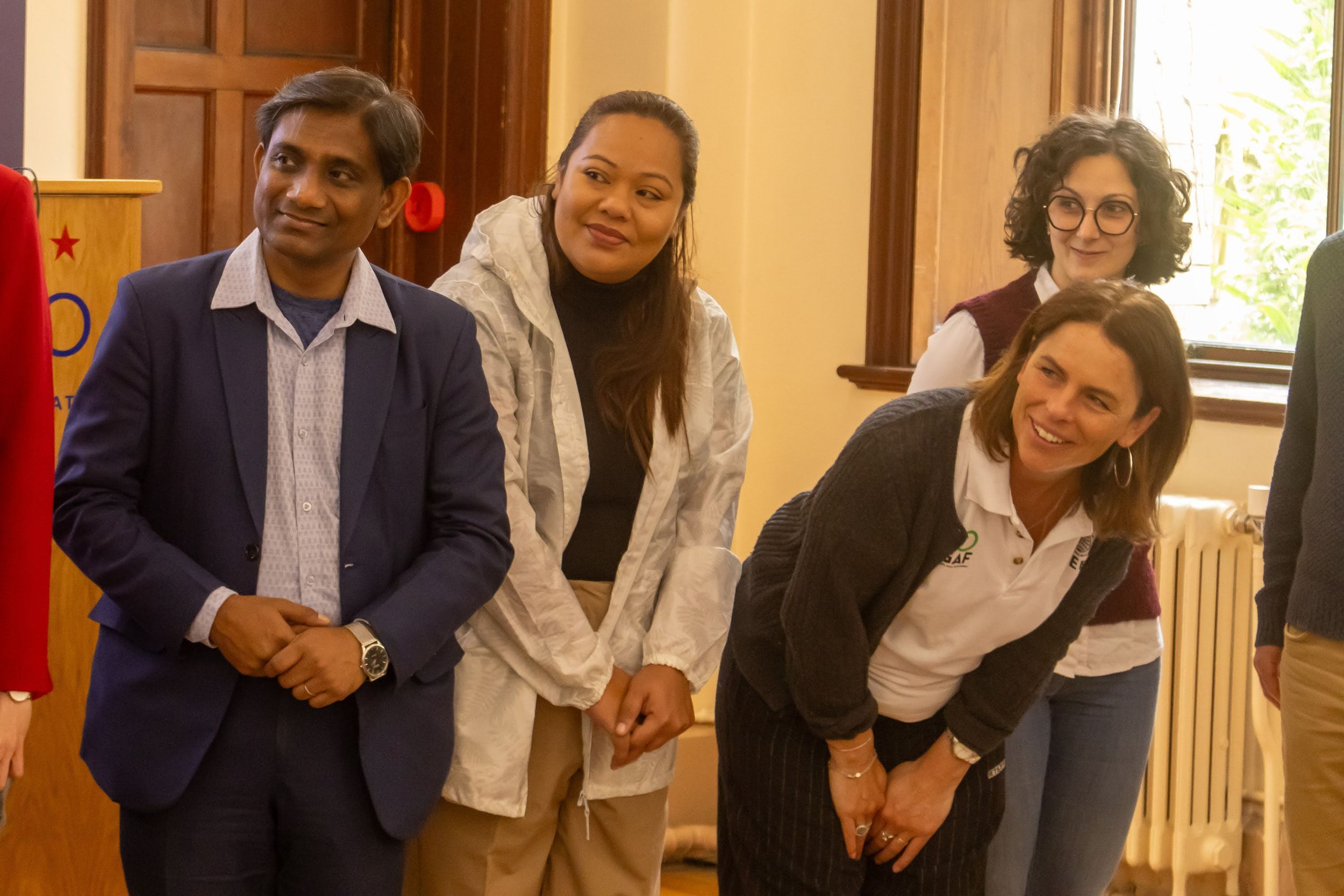
National Operators, higher education practitioners, and FEE representatives from across Europe, Africa, and the Indian Ocean gathered in Dublin, Ireland, for the Eco-Campus National Operators Meeting (NOM), hosted by Marino Institute of Education and An Taisce Green Campus programme in Ireland.
This first meeting since Eco-Campus was formally separated from the Eco-Schools programme into a sixth programme for FEE, brought together FEE members from 11 countries alongside the FEE Secretariat and Board representatives to explore a central question:
What does it mean to be an Eco-Campus National Operator?
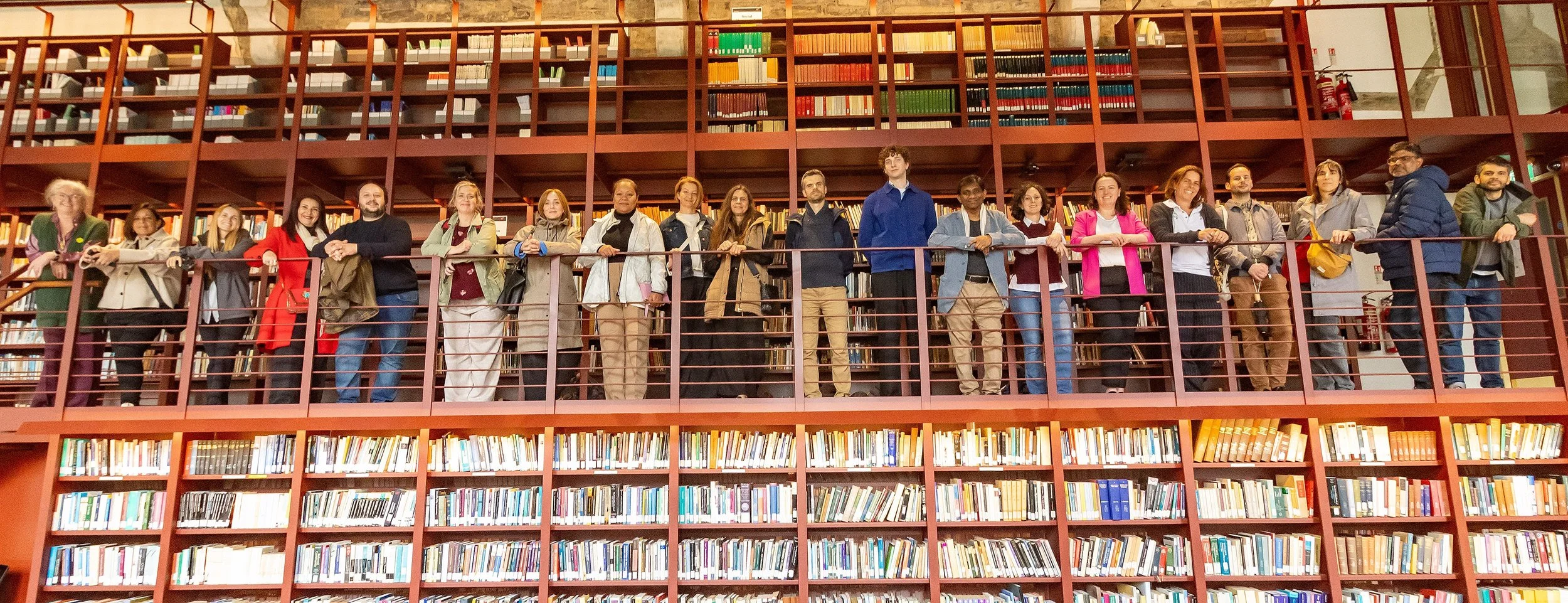
Dublin City University library
Building a Shared Vision for Eco-Campus
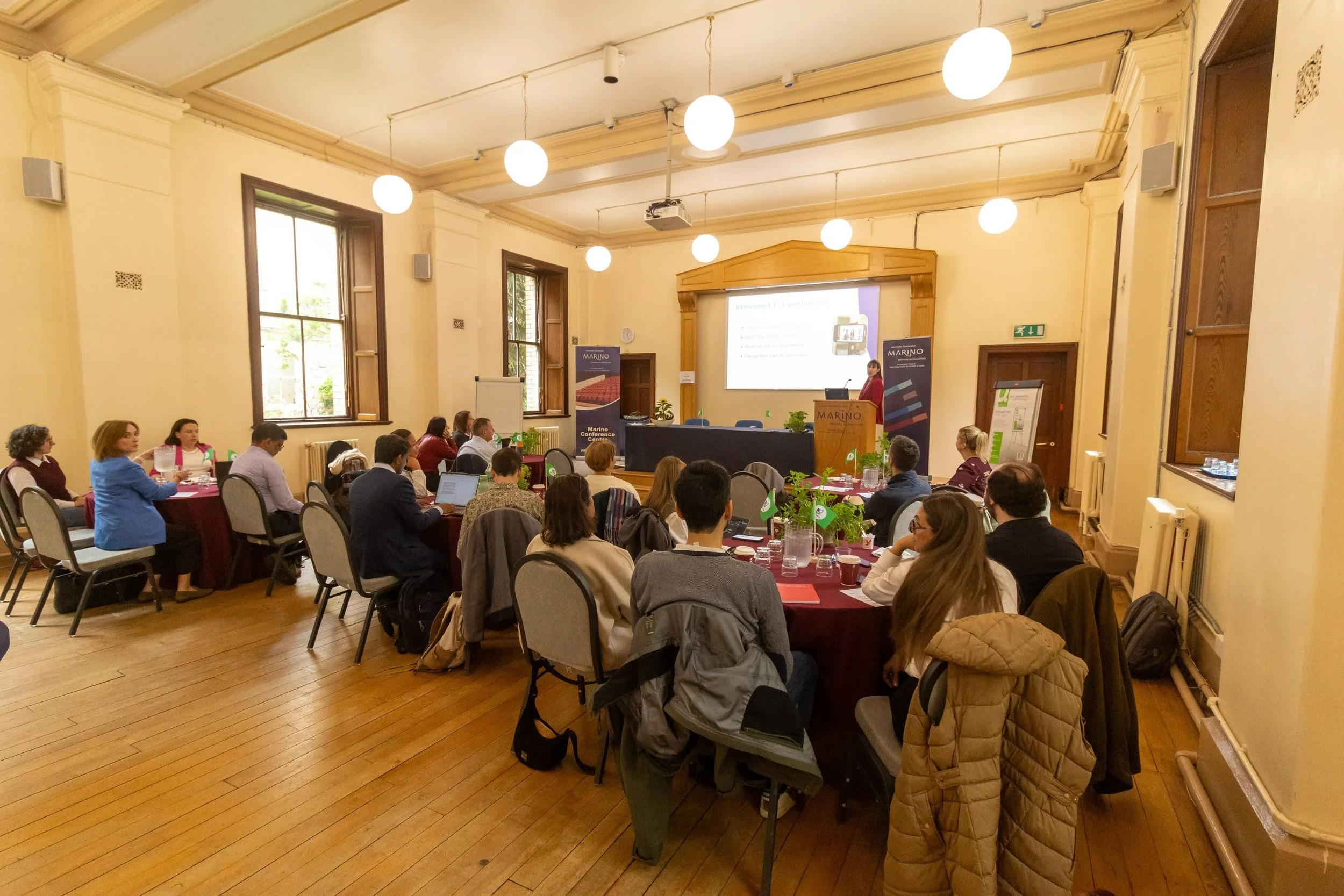
The central aim of the meeting was to co-create the next era of Eco-Campus together, drawing on the experience of long-standing National Operators while welcoming new perspectives from those beginning their Eco-Campus journey. Throughout the three-day meeting, participants exchanged experiences from more than 25 years of collective Eco-Campus implementation. Discussions focused on setting priorities and answering strategic questions for the future of the programme; strengthening programme operations, management and quality, aligning quality standards; and exploring the partnerships, resources and collective action needed to increase impact across higher education.
With Eco-Campus currently active in 19 countries and engaging more than 200 Higher Education Institutions, participants explored how the programme can contribute to the ambitions of the UNESCO Greening Education Partnership while remaining rooted in local contexts and institutional realities.
Governance was a central theme throughout the meeting, with participants exploring how Eco-Campus can maintain quality while scaling its impact. Discussions focused on defining what constitutes a campus, clarifying roles and responsibilities within the programme, and establishing shared quality standards across the Seven Steps. Participants highlighted the importance of meaningful student participation, evidence-based practice, measurable impact, and strong partnerships, while ensuring the programme remains flexible enough to support diverse higher education contexts.
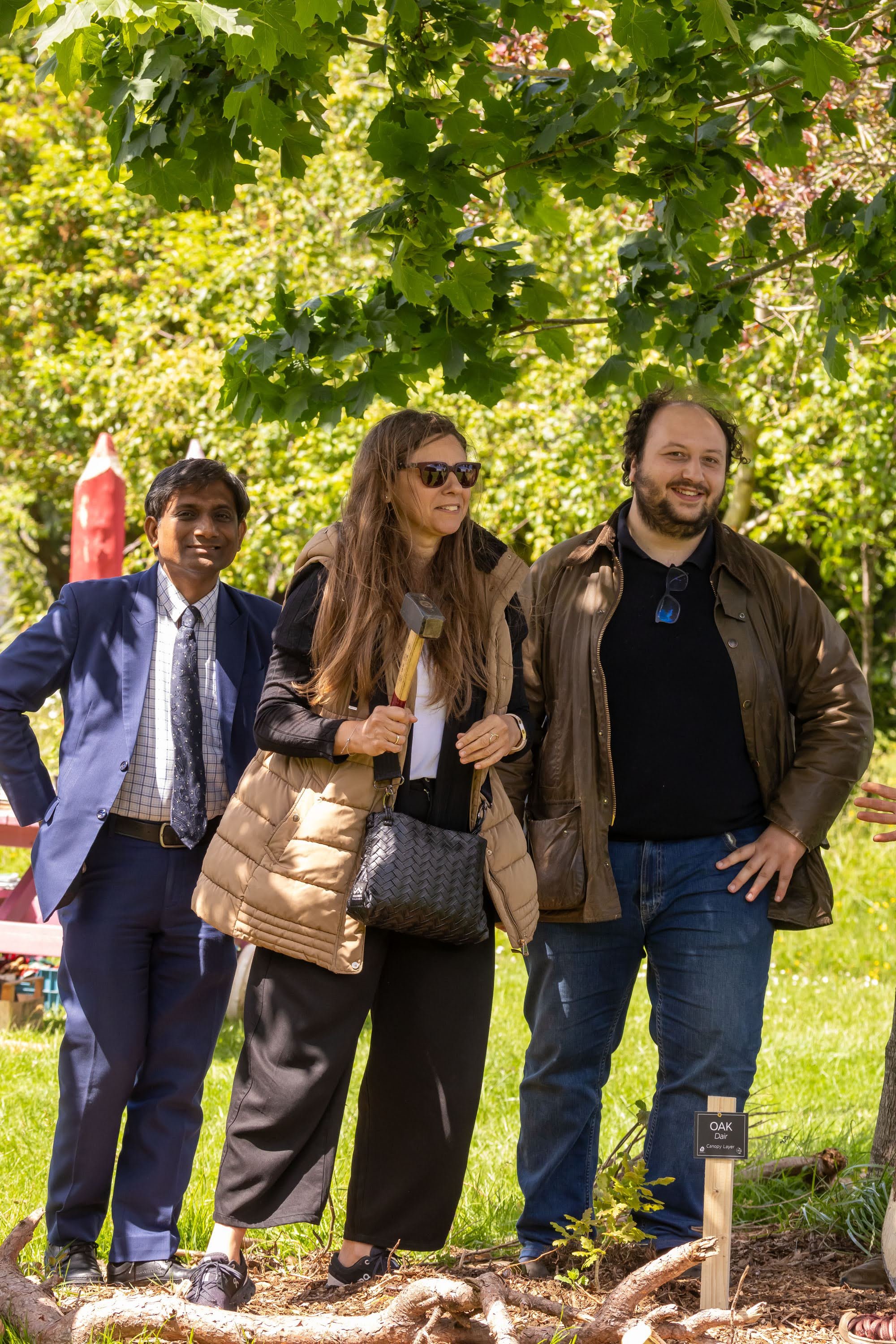
Ecosystem Restoration at Marino Institute of Education
Highlights
The programme combined strategic discussions with practical learning, peer exchange, and opportunities to celebrate sustainability leadership across the network.
An evening reception hosted by An Taisce celebrating Ireland's Young Reporters for the Environment (YRE) winners in the 18–25 age category, showcasing the power of youth-led action and communication for sustainability.
"Seven Steps from Seven Countries", a series of presentations from National Operators demonstrating how the Eco-Campus Seven Steps are being adapted and implemented in diverse higher education contexts and countries. The session highlighted both the flexibility of the framework and the shared principles that unite Eco-Campus institutions worldwide.
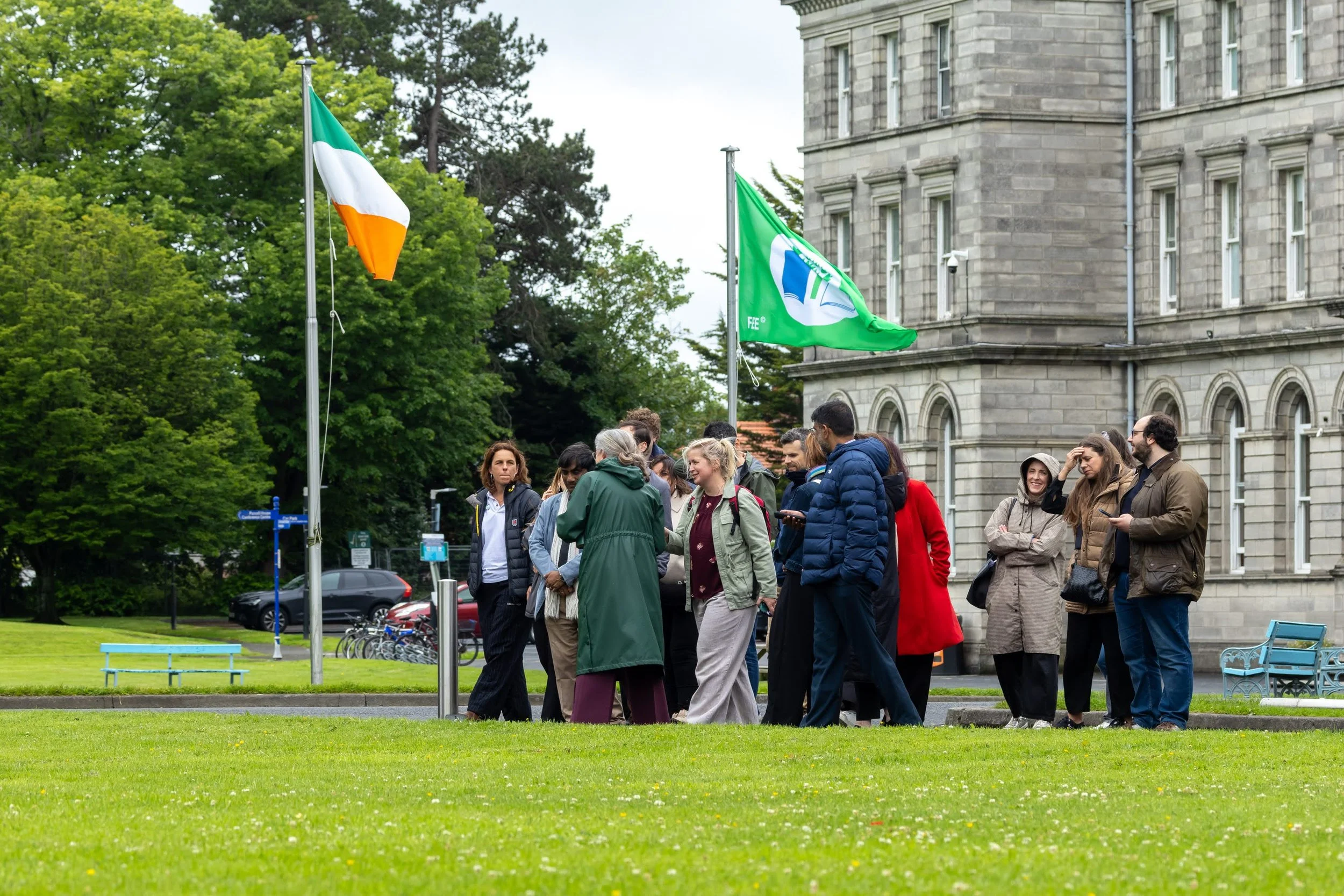
A visit to Dublin City University's Green Flag campuses provided valuable insights into Eco-Campus in practice. Guided by Sustainability Officer Samantha Fahy, participants explored sustainability initiatives across the St Patrick's and All Hallows campuses and discussed the challenges and opportunities of managing sustainability at institutional scale.
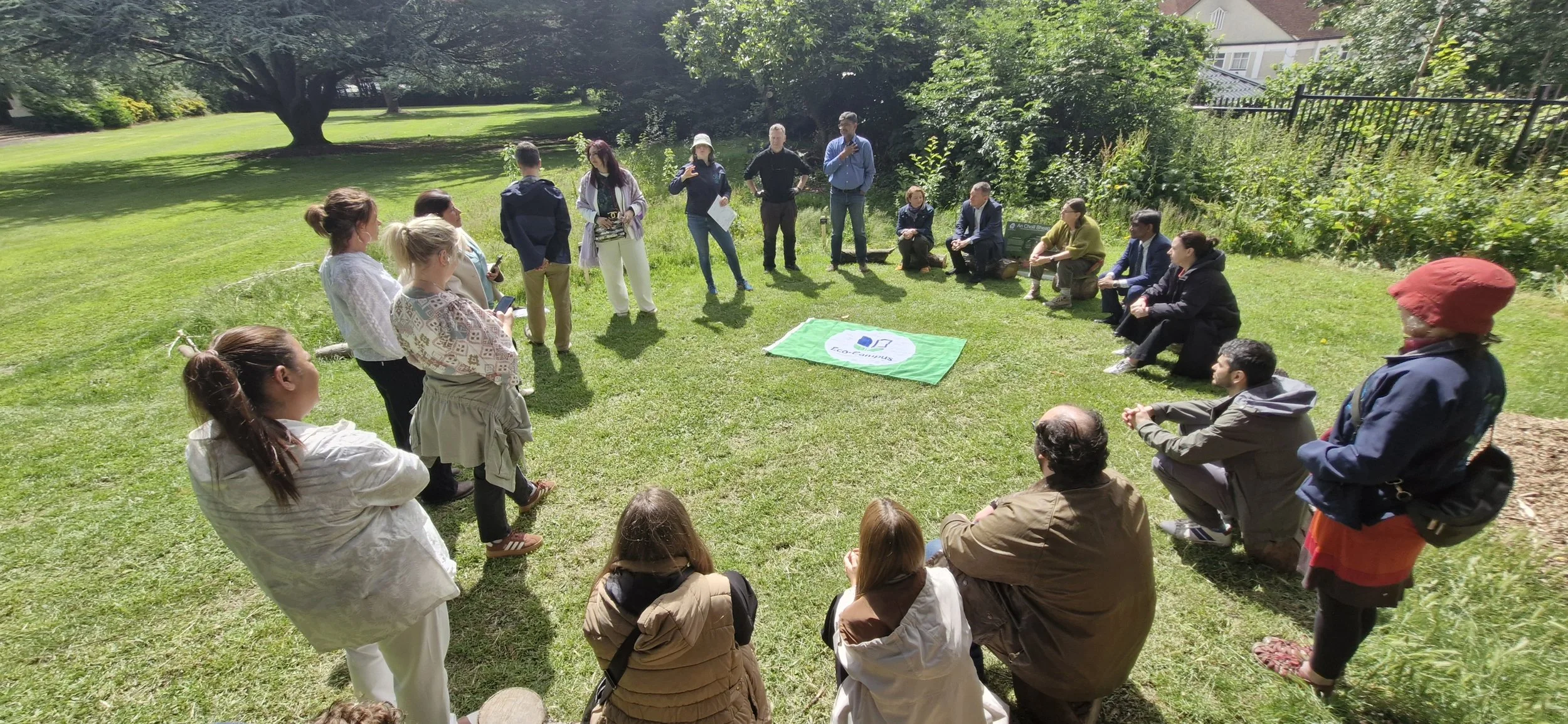
An outdoor teacher training session on ecosystem restoration, delivered by An Taisce's LEAF team in partnership with Marino Institute of Education. Participants experienced practical approaches to nature-based learning and explored how ecosystem restoration can be integrated into teacher education and campus sustainability programmes.
A dedicated fundraising session led by Jan Froněk of FEE Member TEREZA (Czech Republic), supported by FEE’s director of fundraising Carol Forster, encouraged participants to think strategically about programme financing, partnerships, and long-term sustainability.
The meeting concluded with an inspiring knowledge harvest, where participants revisited the key questions they had posed at the beginning of the meeting, reflected on the collective learning generated over the three days, and set personal goals for advancing Eco-Campus in their own countries during the coming academic year.
Looking Ahead
The outcomes of the meeting will contribute directly to the ongoing development of the Eco-Campus programme and inform FEE's contribution to emerging guidance for higher education within the UNESCO Greening Education Partnership.
The discussions also reinforced the growing importance of higher education within FEE's wider mission. Participants explored opportunities to strengthen connections between Eco-Campus and other FEE initiatives, including Eco-Schools, Learning about Ecosystems and Forests (LEAF), Young Reporters for the Environment (YRE), the FEE Academy, and emerging work in Technical and Vocational Education and Training (TVET).
FEE extends its sincere thanks to Marino Institute of Education, Green Campus Ireland, all participating Eco-Campus National Operators whose contributions made the meeting such a valuable and inspiring experience.
Eco-Campus Green Flag